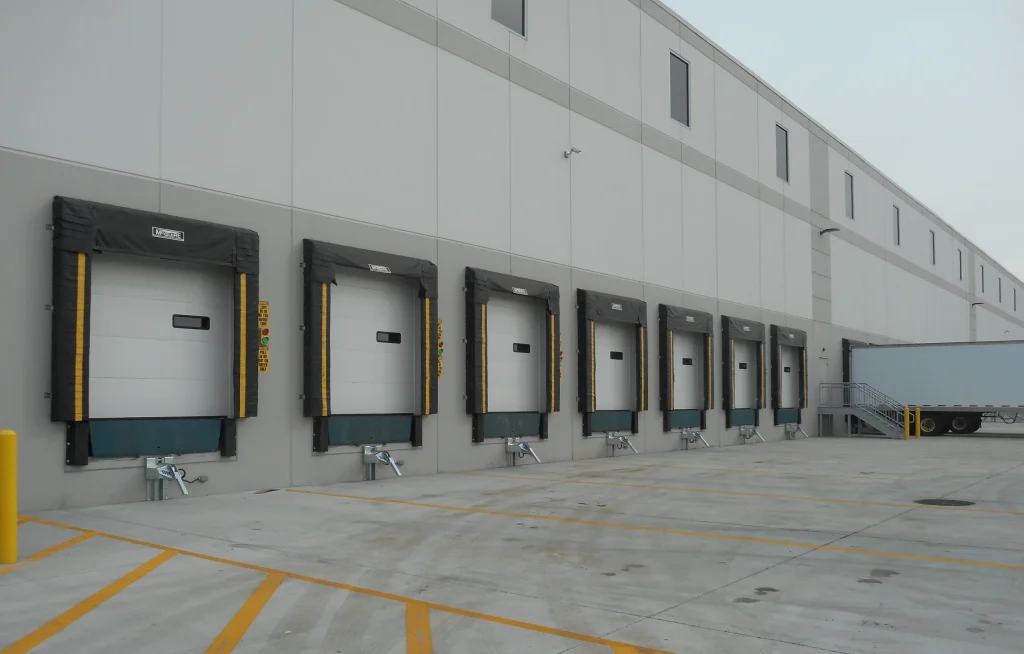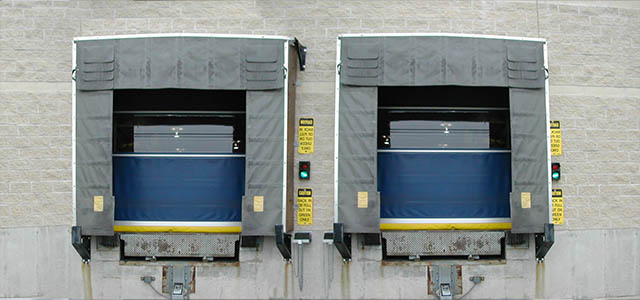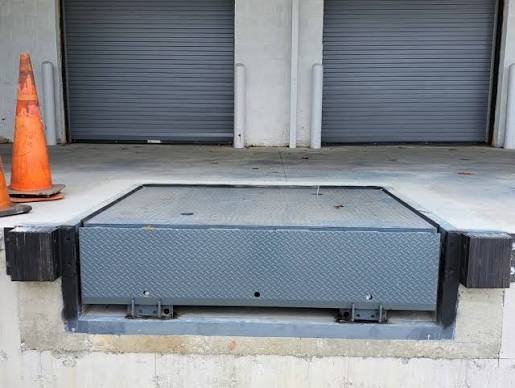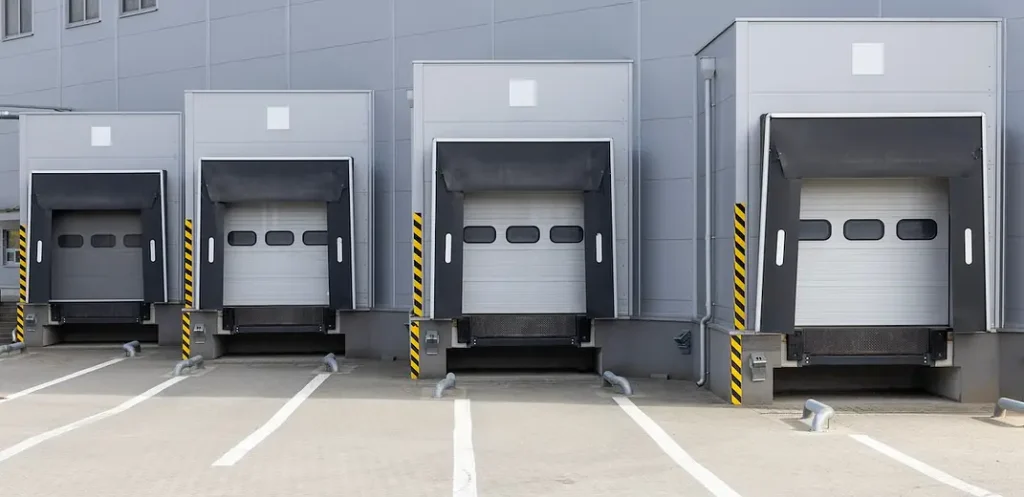
In a high-traffic warehouse, your loading dock is the heartbeat of your operation. When a dock leveler fails, the rhythm breaks—shipments are delayed, safety risks skyrocket, and repair costs mount.
Identifying early warning signs is the best way to maintain uptime. Here is how to spot potential dock leveler issues before they evolve into major headaches.
Listen for Unusual Noises
Your dock leveler should operate with a predictable, rhythmic sound. If you begin to notice sounds that deviate from the norm, it is often the first warning of internal mechanical distress. Ignoring these auditory cues can lead to sudden equipment failure and expensive emergency repairs. Paying close attention to the specific pitch and timing of these noises allows you to identify whether the issue lies within the motor, springs, or structural hinges.
Grinding
A harsh grinding sound usually indicates metal-on-metal friction. This often occurs when moving parts lack proper lubrication or when bushings and bearings have completely worn down. If left unaddressed, this friction generates intense heat and can permanently warp the leveler’s structural components. Regularly greasing the pivot points and hinges is the most effective way to eliminate this noise and prevent seizing.
Popping
Sudden popping or snapping sounds are high-priority red flags in any loading dock environment. In mechanical systems, this typically signals that an extension spring has snapped or is under extreme, uneven tension. For hydraulic models, popping can indicate air trapped in the lines or a failing valve. Because these components manage the platform’s weight, a pop often precedes a dangerous, uncontrolled drop.
Monitor Deployment Speed and Fluidity
A healthy dock leveler should rise and extend its lip with consistent, controlled motion. If the platform stutters, shakes, or moves significantly slower than usual, it indicates that the power source or lifting mechanism is struggling. This loss of fluidity often suggests internal obstructions or failing components. Monitoring these speed changes helps you catch minor issues before the leveler becomes completely inoperable, maintaining warehouse productivity and ensuring worker safety.
Hydraulic Systems
Sluggish movement in hydraulic levelers usually points toward low fluid levels or contaminated oil. If the motor runs but the deck fails to lift, there may be a leak in the high-pressure hoses or a failing cylinder seal. Because hydraulic systems rely on consistent pressure, any hesitation during deployment is a serious warning sign that requires an immediate inspection of the pump and fluid reservoir.
Mechanical Systems
Mechanical levelers rely on a complex network of springs and hold-down chains to function. If the deck is difficult to pull up or fails to “walk down” smoothly into the truck bed, the springs likely need a tension adjustment or replacement. Over time, these springs lose their elasticity, leading to jerky movements that can strain the operator and cause the equipment to malfunction.
Check for “Stump-Out” or Misalignment
In a safe loading dock, the leveler should sit perfectly flush with the warehouse floor when stored. “Stump-out” occurs when the leveler’s support legs or lip fail to retract or align correctly, causing the platform to sit unevenly. This misalignment often signals structural damage to the frame or a build-up of debris within the pit. Regularly verifying that the transition is smooth prevents long-term damage to the unit’s hinges.
The Hazard
An unlevel dock creates a severe tripping hazard for personnel and high-impact “bone-jarring” transitions for forklift drivers. These jolts can damage expensive material handling equipment, shift trailer loads, and cause chronic back injuries for operators over repeated cycles.
Inspect for Fluid Leaks
For facilities using hydraulic dock levelers, the pit should be a dry, clean environment. Any signs of amber, red, or dark oily spots on the concrete floor are immediate red flags. Leaks typically originate from worn cylinder seals, cracked high-pressure hoses, or loose fittings. Identifying these puddles early is the most effective way to prevent a total system failure and avoid the environmental hazards of industrial fluid runoff.
The Risk
Fluid leaks are more than just a mess; they represent a critical safety failure. A loss of hydraulic pressure can cause the heavy steel platform to drop suddenly and unexpectedly, even while a forklift is positioned on the deck. Furthermore, hydraulic fluid is highly slippery, creating an extreme slip-and-fall risk for warehouse personnel working near the edge of the open pit.
Look for Structural Fatigue
Regularly examining the deck plate is vital for maintaining a safe loading dock. Signs of “dishing,” where the steel plate begins to warp or bow downward, indicate that the leveler is consistently being overloaded or has exceeded its structural lifespan. This metal fatigue weakens the integrity of the entire unit. Identifying these subtle shifts in the metal early prevents the catastrophic collapse of the platform during heavy loading and unloading operations.
Cracked Welds
Structural integrity depends on the strength of every connection. Inspect the beams beneath the deck and the rear hinges for hairline fractures or separated joints. Cracked welds are often caused by the high-impact stress of heavy forklifts and aging steel. If left unrepaired, these small cracks can quickly expand, leading to a sudden structural failure that puts both equipment and personnel at risk.
Conclusion
Proactive maintenance is the best defense against loading dock downtime. By identifying unusual noises, fluid leaks, and structural fatigue early, you protect your team and your bottom line. Addressing minor mechanical issues today prevents catastrophic failures tomorrow, ensuring your warehouse operations remain safe, efficient, and profitable for the long haul.