A garage door is more than just a functional entry point; it accounts for up to 40% of your home’s curb appeal and serves as a critical layer of security. When it comes to installation, the “best” option isn’t universal—it depends on your budget, your property’s architectural constraints, and your long-term maintenance goals.
Choosing the right door involves balancing aesthetics with mechanics. Here is a breakdown of the primary installation options available today to help you decide which fits your property best.
Sectional Garage Doors: The Reliable Standard
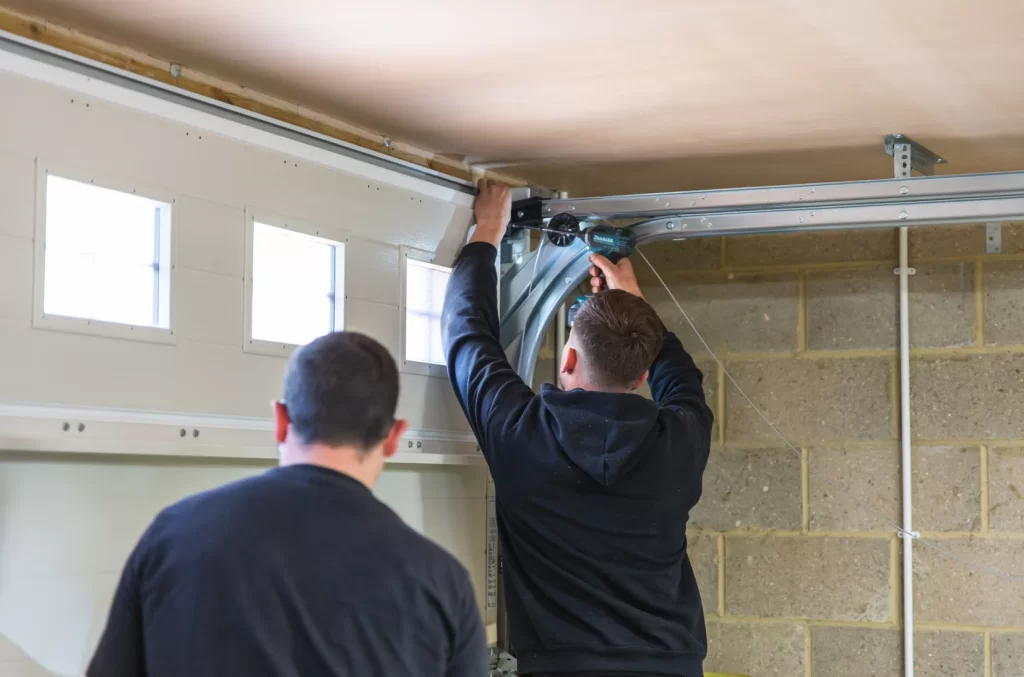
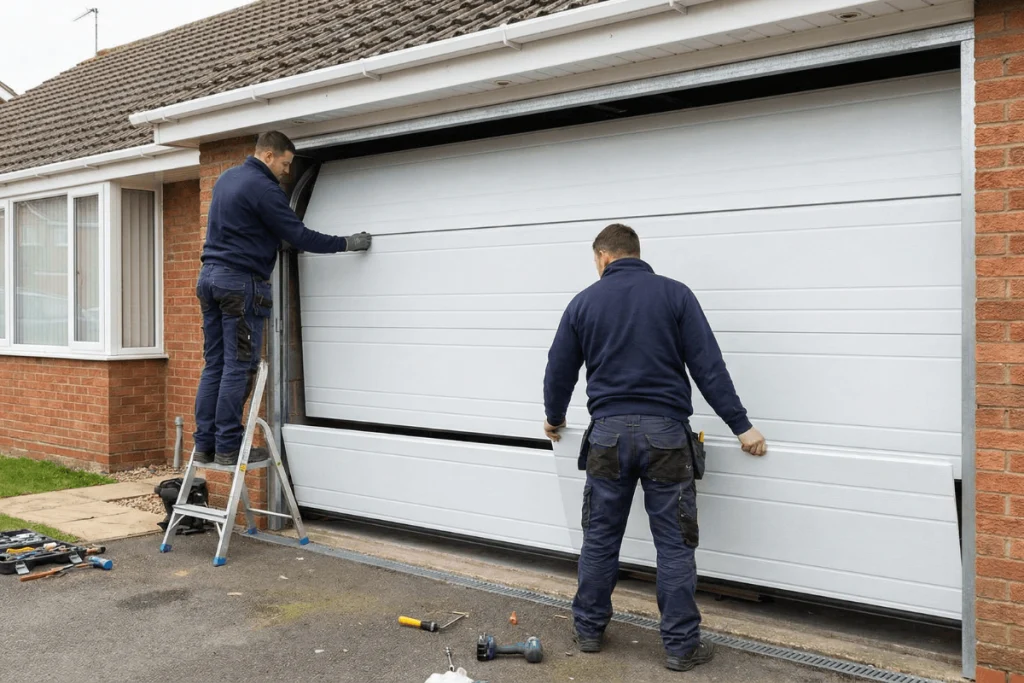
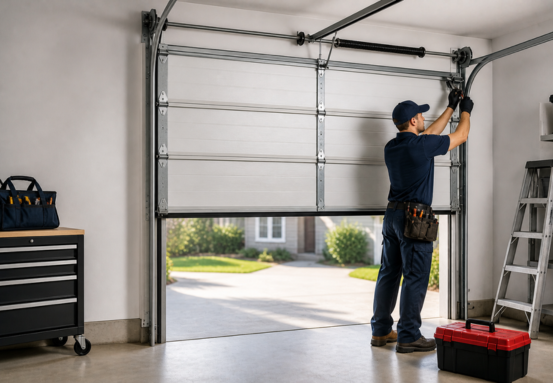
Sectional doors consist of panel sections connected with hinges that roll along a vertical track. They are the most common installation found in modern American homes. This design allows the door to sit parallel to the ceiling when open, providing a clean look and efficient operation. They are highly customizable, offering various window inserts and colors to match any architectural style while maintaining excellent thermal efficiency.
Best For
Standard residential homes where maximizing driveway space is a priority. This option works perfectly for families who need a reliable, insulated door that doesn’t interfere with parking. It is the go-to choice for homeowners seeking a balance between affordability, durability, and a wide variety of design configurations.
Pros
These doors are incredibly space-efficient since they open vertically, allowing you to park inches from the door. They offer superior insulation options, which helps regulate garage temperatures. Additionally, because they are made of separate sections, individual panels can often be replaced if damaged, saving you from a full replacement.
Cons
They require significant “headroom” and horizontal ceiling space to accommodate the tracks. This can limit overhead storage or interfere with lighting fixtures and low-hanging utility pipes.
Roll-Up (Coiling) Doors: The Space Saver
Roll-up doors, often seen in commercial or industrial settings, are built with thin steel slats that coil around a drum positioned directly above the door opening. This compact design is built to withstand heavy usage and provides a high level of security. While they offer a more industrial aesthetic, modern finishes have made them increasingly popular for contemporary residential garages and minimalist urban homes.
Best For
Garages with very limited ceiling space or those used for high-clearance storage, such as RV parking. They are ideal for properties where overhead tracks would obstruct internal systems or for homeowners who prioritize heavy-duty security and a long-lasting, rugged door that requires minimal internal footprint.
Pros
The primary advantage is the massive amount of saved ceiling space; there are no tracks extending into the garage. They are exceptionally durable and built to withstand high-frequency operation. Their compact nature makes them one of the most secure options against forced entry and extreme weather conditions.
Cons
They are generally more expensive to install and offer fewer decorative styles. The compact coiling mechanism also makes it much harder to add effective insulation layers.
Side-Hinged Doors: The Traditional Look
Side-hinged doors operate like standard entry doors, swinging outward from a frame. This traditional design harkens back to the era of carriage houses. Because they don’t require tracks or springs, they offer a low-maintenance solution that keeps the garage ceiling completely clear. They are perfect for those who use their garage as a functional room rather than just a place to park a car.
Best For
Historic homes, carriage houses, or garages converted into workshops, home offices, or gyms. They are excellent for those who frequently enter the garage on foot and don’t want to engage a heavy motorized opener every time. This style complements traditional, rustic, or craftsman-style home designs beautifully.
Pros
These doors provide effortless pedestrian access and require zero ceiling space, leaving plenty of room for overhead storage or rafters. They are mechanically simple, meaning there are fewer moving parts like springs and cables to fail. They also add a unique, high-end architectural character to the property.
Cons
You must maintain a clear “swing-out” zone in the driveway. They are also more difficult to automate with standard garage door openers compared to overhead versions.
Slide-to-the-Side Doors
Slide-to-the-side doors function by sliding along a track that curves and runs parallel to one of the side walls. This design is one of the earliest methods for opening large garage spaces. It eliminates the need for heavy lifting and doesn’t require a large header above the opening. It is a sophisticated, modern solution for garages with unusual layouts or structural obstructions.
Best For
Garages with low ceilings or centered obstructions like support beams that make overhead tracks impossible. They are also a great fit for modern homes with wide openings. This option is perfect for homeowners who want a sleek, easy-to-operate door that offers a unique contemporary aesthetic.
Pros
They do not require a heavy tension spring, reducing the risk of mechanical failure. Because they slide horizontally, they can be opened partially for pedestrian access. They work exceptionally well in garages where the ceiling is used for specialized equipment or where the roofline is angled.
Cons
You must keep one side wall completely clear of shelving or storage. The floor track requires frequent cleaning to prevent debris from obstructing the door’s movement.
Key Comparison Factors
| Feature | Sectional | Roll-Up | Side-Hinged | Slide-to-Side |
| Space Required | High Ceiling | Minimal | High Driveway | Side Wall |
| Durability | Moderate | High | Moderate | Moderate |
| Insulation | Excellent | Fair | Good | Fair |
| Curb Appeal | High/Versatile | Industrial | Historic/Classic | Modern/Unique |
Choosing the Right Material
Once you choose a mechanical style, the material will dictate your maintenance schedule:
Steel
Steel is the industry standard for garage doors due to its remarkable durability and low maintenance requirements. It is highly versatile, available in various thicknesses and styles, including wood-grain textures. To prevent rust, modern steel doors feature multi-layer coatings. They are easily insulated, making them an energy-efficient and cost-effective choice for homeowners seeking long-term performance and high security.
Aluminum
Aluminum is the ideal material for modern designs and coastal environments where salt air might corrode other metals. Being naturally resistant to rust and corrosion, it requires very little upkeep. While lighter and more prone to denting than steel, aluminum doors are often paired with glass panels to create a sleek, contemporary aesthetic that floods the garage with natural light.
Wood
Wood remains the premier choice for luxury and traditional curb appeal, offering an organic warmth that synthetic materials cannot perfectly replicate. From cedar to mahogany, wood doors provide natural insulation and significant strength. However, they require consistent maintenance, such as staining or painting every few years, to protect the material from moisture damage, warping, and the effects of UV exposure.
Composite/Fiberglass
Composite and fiberglass doors offer the sophisticated appearance of natural wood without the high-maintenance drawbacks. Constructed with a steel core and a molded skin, these doors are engineered to resist denting, cracking, and rotting. They are particularly effective in extreme climates, providing excellent insulation and a durable finish that stands up to harsh weather while maintaining a high-end look.
Final Thoughts
Choosing the right garage door requires balancing your property’s structural layout with your personal lifestyle needs. Whether you prioritize the space-saving design of a roll-up door or the classic aesthetic of wood, the ideal choice enhances both security and value. Consult a professional to ensure a seamless, high-performing installation.