Your garage door is the most frequent entry point for many modern households, serving as a vital component of home security and convenience. In 2026, these systems have integrated advanced smart sensors and predictive diagnostics, yet mechanical wear remains inevitable. Addressing minor glitches early prevents expensive emergency repairs and ensures your daily routine stays on track. Understanding these common failure points allows you to maintain a safe, functional, and efficient home environment.
The Door Won’t Close (The Safety Sensor Glitch)
Safety sensors are designed to prevent the door from closing on people, pets, or vehicles. These “photo-eyes” sit just inches off the ground and project an invisible infrared beam. If that beam is broken or the sensors lose alignment, the system defaults to a “fail-safe” mode, refusing to close. This is the most frequent service issue and is often caused by simple environmental factors rather than hardware failure.
The Symptom
When you press the close button, the door travels an inch or two and then immediately reverses. You will likely hear a clicking sound from the motor unit, and the main overhead light or the sensor LEDs will flash repeatedly, indicating that the safety circuit has been triggered or disconnected.
The Fix
Start by wiping the sensor lenses with a clean, dry microfiber cloth to remove dust or spiderwebs. Check the alignment by ensuring the small LED lights on both the sending and receiving units are glowing steadily without flickering. If a light is blinking, gently bend the metal bracket until the sensors face each other perfectly, restoring the invisible safety beam connection.
Excessive Noise (Grinding or Squeaking)
A noisy garage door is a cry for help from the mechanical components. As parts move against each other thousands of times a year, friction increases due to dried-out factory lubricants or accumulated road salt and grit. Ignoring these sounds puts unnecessary strain on the motor and can lead to the door jumping its tracks. Quiet operation is a primary indicator of a healthy, well-balanced garage door system.
The Symptom
You notice high-pitched squealing, rhythmic slapping, or a heavy metal-on-metal grinding sound whenever the door is in motion. The vibrations may be felt throughout the house, and the movement might appear jerky or uneven as the rollers struggle to glide smoothly through the curved sections of the steel tracks.
The Fix
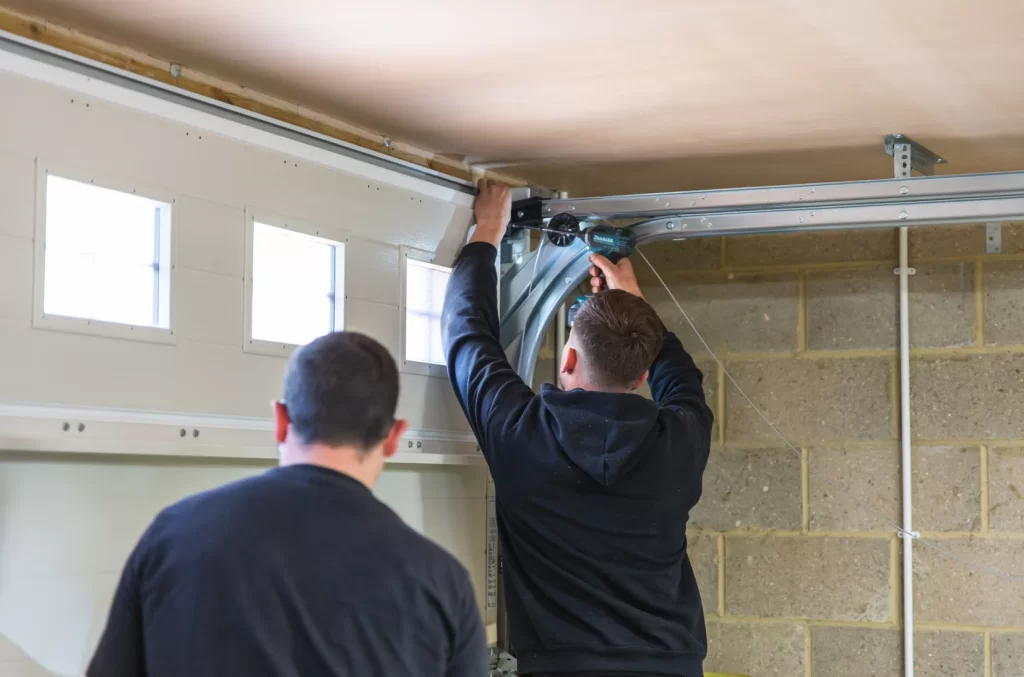
Apply a high-quality PTFE or silicone-based dry lubricant to all moving parts, including the hinges, metal rollers, and the full length of the springs. Avoid using thick grease or WD-40, as these attract debris that causes further wear. Use a socket wrench to tighten any loose bolts on the track brackets and the garage door’s internal metal support struts to eliminate rattling.
The Ghost Opening (Signal Interference)
With the expansion of 5G networks and the density of smart home devices in 2026, wireless interference has become a common culprit for “ghost openings.” This occurs when a stray radio frequency or a neighbor’s remote happens to match your opener’s frequency. While modern rolling-code technology makes this rarer, software glitches or stuck buttons on old remotes can still trigger your door to open unexpectedly.
The Symptom
You return home or wake up to find the garage door fully open without anyone having operated the remote. In some cases, the door may start to close and then suddenly reopen halfway through the cycle as if it received a second command from an external wireless source.
The Fix
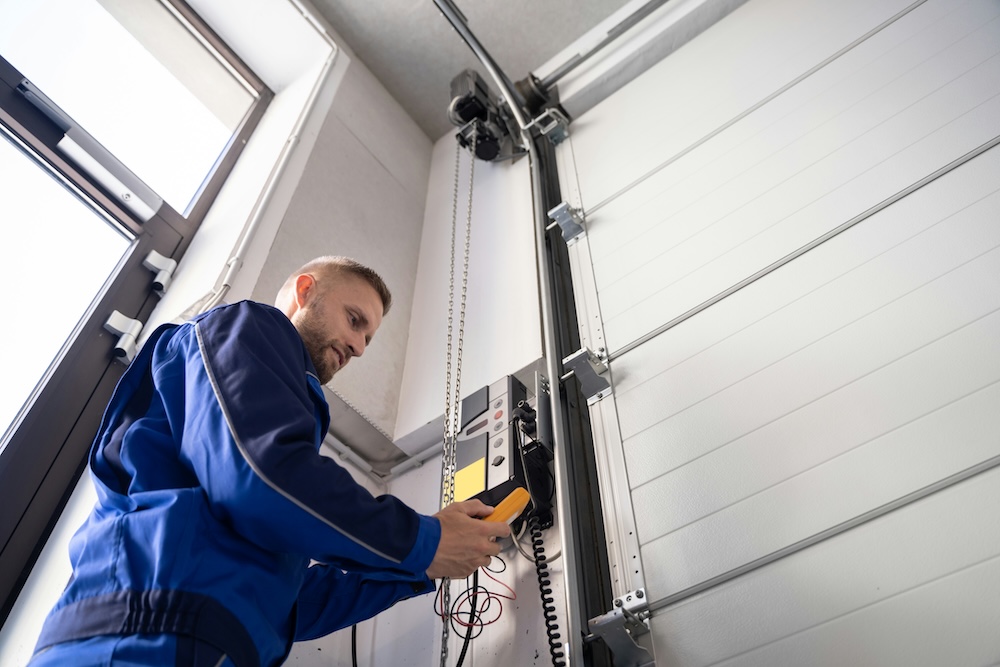
Clear the opener’s memory by holding the “Learn” button on the motor unit until the light goes out, then re-pair your remotes and smart apps. Check your handheld remotes for stuck buttons or failing batteries that might be sending a constant signal. Finally, ensure your home’s Wi-Fi router is at least three feet away from the motor to prevent frequency overlap.
Broken Torsion Springs (The Mechanical Snap)
The torsion springs, located on a bar above the door, are the true muscles of the system. They are wound under extreme tension to counterbalance the weight of the door. Every time the door opens, the steel undergoes stress until it eventually reaches its cycle limit and snaps. This is a critical failure that renders the door too heavy for the motor—or a person—to lift safely.
The Symptom
You hear a sudden, explosive “bang” coming from the garage while the door is stationary. If you try to open the door, the motor will strain and hum loudly but fail to move it. Upon inspection, you will see a visible gap in the large coil spring above the door.
The Fix
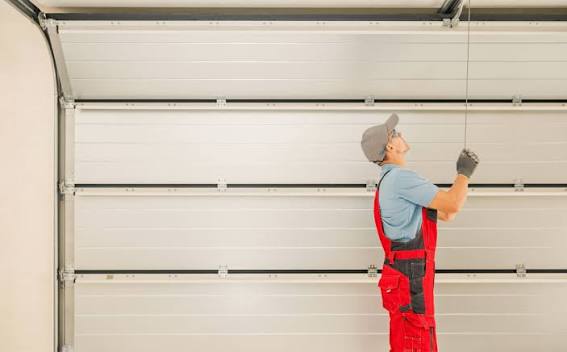
This is a high-risk repair that should only be handled by a trained technician. The springs are under enough tension to cause life-threatening injury if they snap during a DIY attempt. Immediately pull the red emergency release cord to disconnect the door from the opener, avoid standing under the door, and call a professional to replace both springs simultaneously for balanced tension.
When to Call a Professional?
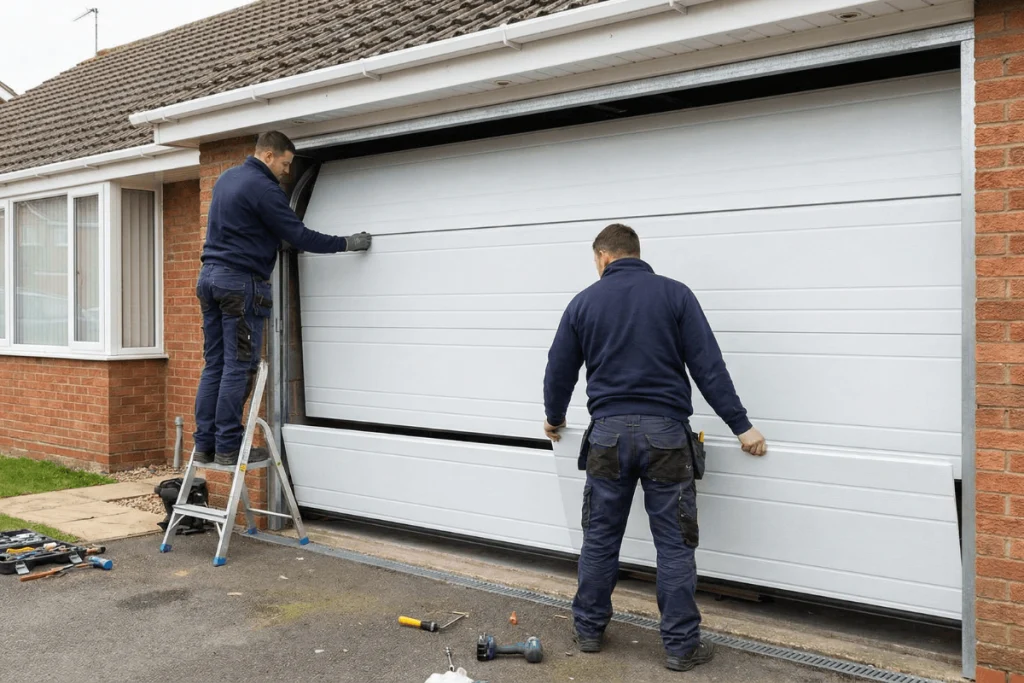
While DIY maintenance is great for longevity, certain tasks require specialized tools and safety training. You should contact a pro if:
- The door is physically off its tracks.
- You suspect a broken spring or snapped cable.
- The motor is smoking or emitting a strong electrical odor.
Final Thoughts
A few minutes of “15-minute Saturday” maintenance—wiping the tracks and checking the sensors—can extend the life of your door by years. Keeping your hardware tight and your software updated ensures your home remains secure and your morning commute stays stress-free.