For most homeowners, the garage door is the largest moving object in the house. It’s a complex system of high-tension springs, steel cables, and motorized components that usually works so well we forget it’s there—until it stops moving.
A sudden garage door failure is more than a nuisance; it’s often a bill for hundreds, if not thousands, of dollars. However, consistent upkeep can prevent these financial headaches. Here is how a proactive maintenance routine protects your wallet and your home.
Preventing the “Domino Effect” of Component Failure
Garage doors function as a synchronized system where every part relies on the next. When a single component like a hinge or roller begins to degrade, it forces the entire mechanism to overcompensate. This creates a chain reaction of unnecessary stress, leading to a total system breakdown. By addressing minor wear immediately, you stop this mechanical decline in its tracks, ensuring one small faulty part doesn’t destroy your entire investment.
The Cost of Neglect
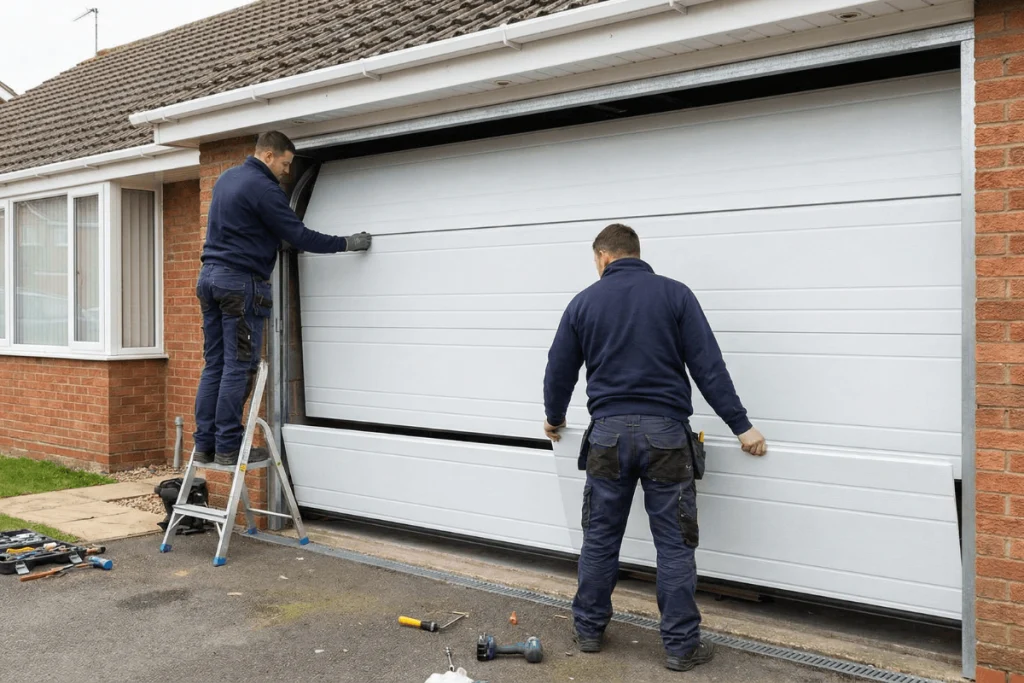
Ignoring a noisy or sticking door eventually leads to an expensive emergency. When hardware fails due to lack of attention, you aren’t just paying for a single part; you’re covering emergency service fees, labor for complex repairs, and potentially the cost of a full motor replacement. Routine checks are the only way to avoid these sudden, high-ticket invoices.
The Maintenance Fix
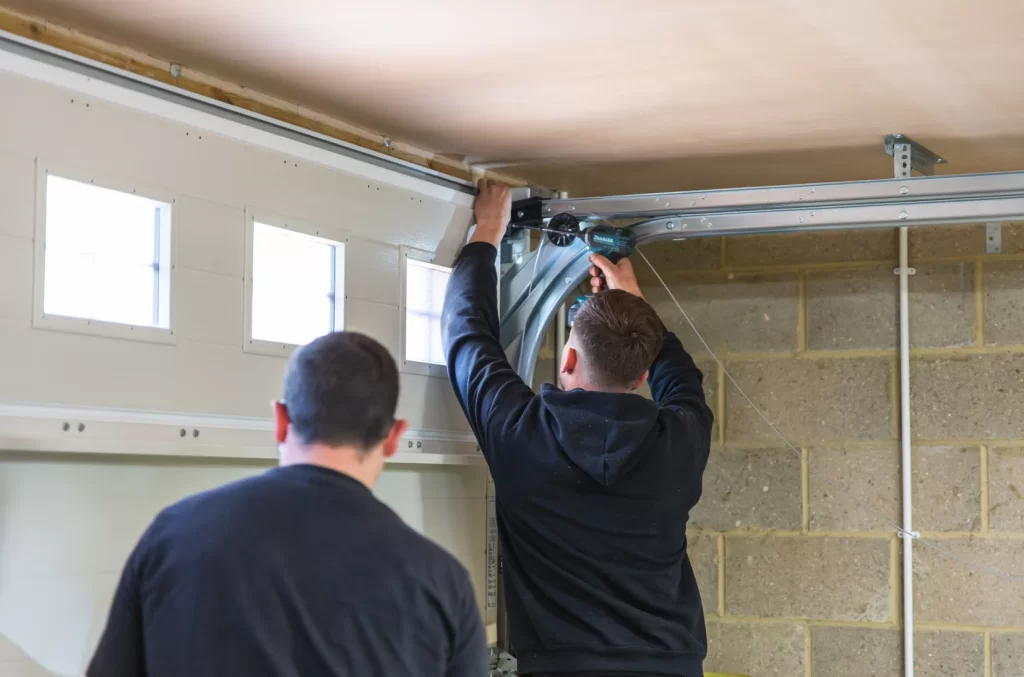
Proactive upkeep is the most effective way to keep your overhead costs low. A simple schedule of lubricating high-tension springs, tightening loose bolts, and inspecting cables ensures smooth operation. These small actions reduce friction and prevent the motor from burning out prematurely. Investing a few minutes twice a year translates into years of reliable service and significant long-term savings.
Extending the Life of Your Springs
The springs do the heavy lifting, not the opener. Most garage door springs are rated for a specific number of “cycles” (one open and one close).
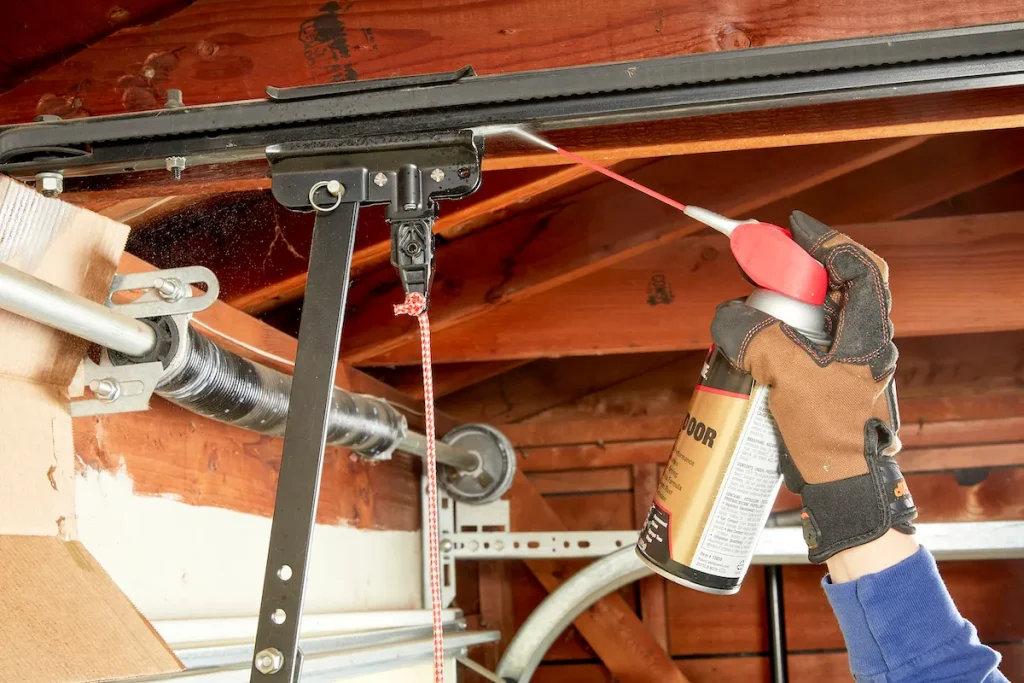
While you can’t stop a spring from eventually reaching its lifecycle limit, you can prevent premature snapping. Rust is the primary enemy of spring longevity. By applying a silicone-based lubricant once or twice a year, you prevent corrosion and friction, ensuring you get every cent of value out of your current set.
Catching Minor Issues Before They Become Emergencies
An unexpected garage door failure usually happens at the worst possible moment—typically when you are rushing to work or arriving home late. These “surprises” often lead to premium emergency service charges and expedited labor costs. Identifying small signs of wear, such as fraying cables or sluggish movement, allows you to schedule repairs on your own terms. Taking control early prevents a minor inconvenience from escalating into a costly, high-priority residential crisis.
The Loose Bolt Problem
A garage door undergoes intense vibration every time it cycles open or closed. Over months of operation, this constant movement naturally loosens the nuts and bolts holding the tracks and brackets in place. If these fasteners fall out, the tracks can misalign, causing the door to bind or even crash. Checking these connections prevents structural damage and keeps the system stable.
The Five-Minute Check
You don’t need a professional toolkit to save money; you just need five minutes and a basic wrench. Periodically walking around the door to tighten hardware and inspect the weatherstripping can stop major issues before they start. This brief investment of time ensures your door remains safe and functional, effectively eliminating the need for expensive, specialized repairs down the road.
Improving Energy Efficiency
If your garage is attached to your home, a poorly maintained door can drive up your utility bills.
Modern garage doors rely on weatherstripping and bottom seals to keep the elements out. When these seals crack or flatten, your HVAC system has to work harder to compensate for the draft. Replacing a brittle bottom seal is a simple DIY task that pays for itself in monthly energy savings.
Your Semi-Annual Maintenance Checklist
To maximize your savings, perform these four steps every six months:
Listen and Watch
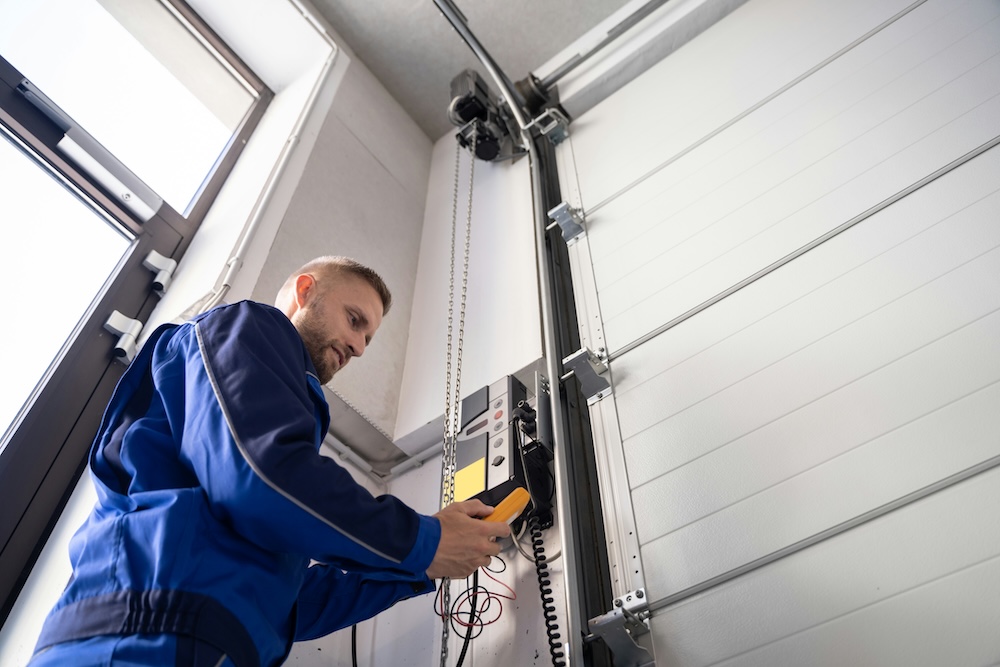
Observation is your first line of defense. Spend a few minutes watching the door move to ensure it travels smoothly without jerking or swaying. Listen for grinding, scraping, or loud banging sounds that indicate worn rollers or strained springs. Identifying these subtle cues early allows you to address mechanical friction before it leads to a complete system failure or expensive motor burnout.
Clean the Tracks
Debris buildup is a silent killer of garage door efficiency. Use a damp cloth to wipe out the internal tracks, removing hardened grease, dirt, and dust that cause the rollers to slip or bind. Avoid using heavy lubricants inside the tracks, as these actually attract more grime over time. A clean, clear path ensures the door operates quietly and reduces unnecessary strain on the opener.
Lubricate Moving Parts
Proper lubrication is essential for reducing friction and extending the life of your hardware. Apply a high-quality lithium or silicone-based spray to the rollers, hinges, and springs every few months. This keeps the metal components supple and prevents the corrosive “metal-on-metal” grinding that leads to snapped cables or broken springs. A well-lubricated system runs much smoother and significantly quieter during daily operation.
Test the Balance
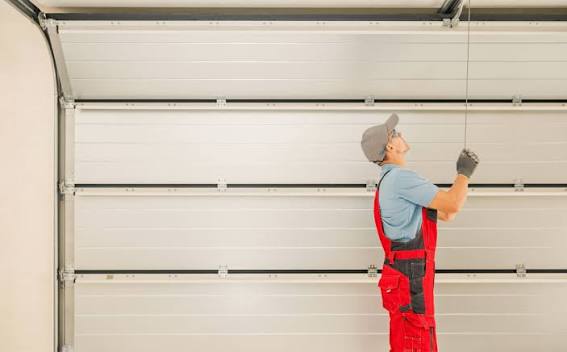
An unbalanced door forces the opener to work twice as hard, leading to premature failure. To check this, disconnect the opener and lift the door halfway by hand; it should stay in place without sliding down or snapping up. If it falls or rises aggressively, the spring tension needs professional adjustment. Maintaining proper balance ensures the entire mechanism remains safe and functional for years to come.
Conclusion
Regular maintenance is the most effective way to avoid the stress and expense of sudden garage door failures. By dedicating a few minutes to routine inspections and lubrication, you protect your home’s safety and extend the lifespan of your system. Stay proactive to ensure smooth, quiet operation and long-term savings.