In the high-stakes world of logistics, the loading dock is the heartbeat of a facility. However, a malfunctioning dock leveler is more than just a minor inconvenience—it is a significant bottleneck that threatens both the bottom line and the well-being of the team. Regular maintenance and timely repair are essential strategies for maintaining a high-performance warehouse environment.
Enhancing Worker Safety
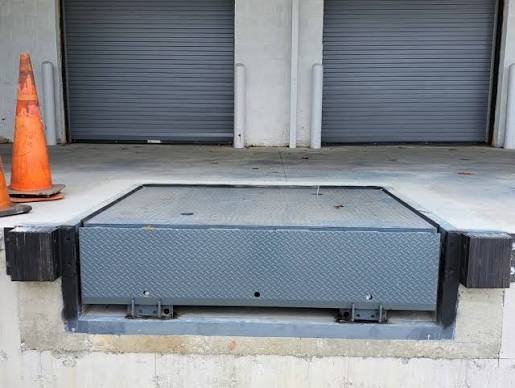
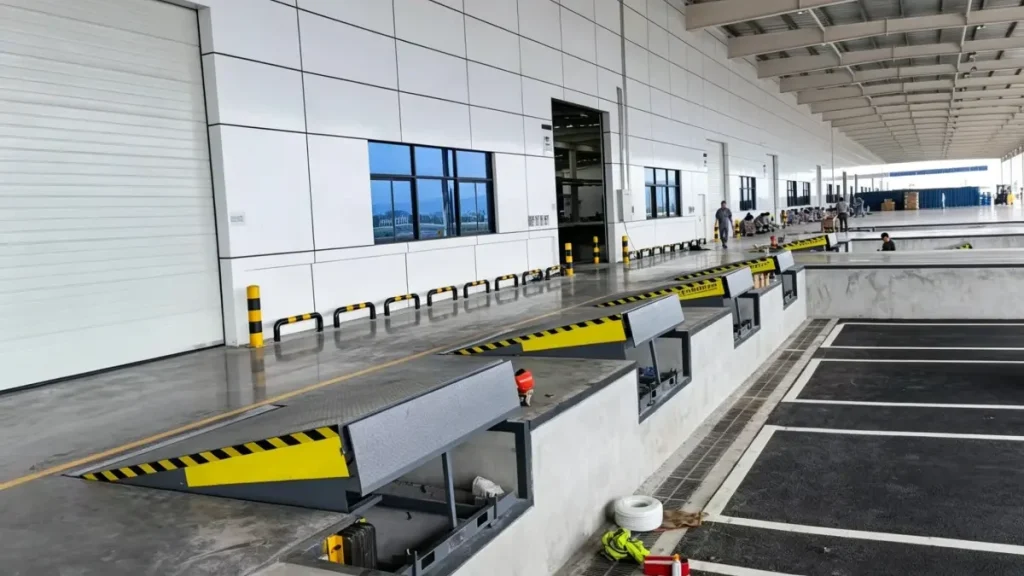
The primary purpose of a dock leveler is to provide a smooth and safe transfer of goods by bridging the height gap between the warehouse floor and a trailer bed. When these systems fail, the risks skyrocket:
Preventing “Dock Shock”
When dock levelers are misaligned or poorly maintained, they create a jarring “bump” during every forklift transition. This repetitive impact, known as dock shock, causes significant vibration that can lead to chronic back and neck injuries for operators. Regular repairs ensure a seamless bridge between the floor and trailer, protecting your workforce’s health and reducing maintenance costs for your forklifts.
Reducing Trip and Fall Hazards
A malfunctioning dock leveler often fails to sit flush with the warehouse floor, creating dangerous uneven surfaces. These structural gaps are prime locations for slips, trips, and falls, which are leading causes of warehouse accidents. Timely repairs to mechanical springs and hydraulic systems eliminate these hazards, ensuring a level walking and driving surface that meets essential safety standards for personnel.
Ensuring Emergency Features Work
Modern loading docks rely on sophisticated safety mechanisms, including emergency stop buttons and velocity fuses that prevent the platform from falling if a truck pulls away prematurely. Without professional maintenance, these life-saving components can seize or fail due to debris and wear. Proper repair guarantees that these safety systems remain responsive, providing a critical layer of protection during unexpected equipment failures.
Maximizing Operational Efficiency
In a high-volume warehouse, time is the most valuable resource. A malfunctioning dock leveler acts as a critical bottleneck, slowing down every load and unload cycle. By prioritizing professional repairs, you ensure that equipment remains reliable and high-performing. This proactive approach eliminates unexpected downtime, allowing your team to maintain a steady workflow. Ultimately, a well-maintained dock area streamlines the entire supply chain, ensuring that logistical goals are met without costly interruptions.
Smooth Transitions
A perfectly calibrated dock leveler provides a seamless bridge between the warehouse floor and the trailer. When hinges and lips are in top condition, forklifts can cross the gap without hesitation or jarring impacts. This fluidity not only accelerates the movement of goods but also reduces the mechanical strain on your material-handling equipment, preventing long-term damage and ensuring consistent productivity levels.
Increased Dock Turnover
Efficient loading docks are defined by their ability to process trailers quickly. Fully functional levelers allow for rapid height adjustments, accommodating a wide variety of vehicle types with ease. By reducing the time spent struggling with stuck or sluggish equipment, your facility can handle more shipments per shift. This increased capacity directly boosts your output and improves overall dock utilization.
Energy Conservation
Properly repaired dock levelers are essential for maintaining the internal climate of your facility. When levelers sit flush and seals remain intact, they prevent expensive cooled or heated air from escaping during loading operations. This thermal barrier is vital for cold storage and temperature-sensitive environments, significantly lowering utility costs while protecting the integrity of your inventory from outside elements.
Long-Term Cost Savings
Investing in timely dock leveler repair is a strategic financial decision that prevents minor issues from escalating into expensive systemic failures. By addressing wear and tear early, facility managers avoid the high costs associated with emergency service calls and unplanned operational shutdowns. Furthermore, functional equipment reduces the risk of workplace accidents and subsequent insurance hikes. Over time, these savings accumulate, significantly improving the overall profitability and fiscal health of your warehouse operations.
Extended Equipment Life
Routine maintenance and precise repairs significantly delay the need for total equipment replacement. By keeping hinges lubricated, springs tensioned, and hydraulic systems sealed, you minimize the structural stress that leads to terminal failure. This proactive care ensures that your dock levelers remain operational for years beyond their expected lifespan, maximizing the return on your initial capital investment and hardware.
Lower Maintenance Overheads
Neglected dock systems often require complex, multi-part replacements that drive up facility expenses. In contrast, staying ahead of repairs simplifies your maintenance schedule and reduces the frequency of major overhauls. By fixing small leaks or minor misalignments immediately, you lower the total cost of ownership and keep your annual maintenance budget predictable and manageable without sacrificing performance or safety.
Protecting Product Integrity
A stable, level transition is vital for moving sensitive or fragile inventory. Malfunctioning levelers can cause forklifts to tip or loads to shift violently, leading to significant product damage and waste. Ensuring your levelers are in peak condition provides a steady platform for every pallet, safeguarding your goods from impact and ensuring that shipments arrive at their destination in perfect condition.
Maintenance Best Practices Checklist
To keep dock levelers performing at their peak, implement the following recurring tasks:
| Task | Frequency | Primary Benefit |
| Clean the Dock Pit | Weekly | Prevents corrosion and obstruction of movement. |
| Lubricate Hinges & Springs | Monthly | Reduces friction and prevents mechanical snapping. |
| Test Safety Controls | Daily | Ensures emergency stops and lips function correctly. |
| Hydraulic Fluid Check | Quarterly | Prevents pump failure and maintains lifting power. |
Conclusion
Prioritizing dock leveler repair is a vital investment in your facility’s future. By addressing mechanical issues early, you enhance worker safety, streamline operational workflows, and achieve significant long-term savings. A well-maintained loading dock ensures a seamless, efficient supply chain, protecting both your valuable workforce and your bottom line.