In a fast-paced logistics environment, the loading dock is the heartbeat of your operation. When equipment fails or is installed incorrectly, the entire supply chain feels the pressure. While DIY solutions or hiring a general handyman might seem cost-effective initially, professional dock leveler installation is an investment in safety, longevity, and seamless workflow.
Here is why a professional installation is non-negotiable for modern warehouse management.
Prioritizing Workplace Safety
The loading dock is a high-risk zone where precision is paramount. Professional installation eliminates hazardous gaps and “stump-out” risks that lead to forklift accidents or foot injuries. By adhering to strict OSHA standards, experts create a secure environment that protects your most valuable asset—your team. A safety-first approach reduces liability, prevents costly downtime, and ensures that every transition between the warehouse and the trailer is stable, predictable, and secure.
Structural Integrity
A dock leveler must withstand thousands of pounds of rolling pressure daily. Professional installers evaluate the pit’s concrete condition and utilize heavy-duty anchoring systems to ensure the frame remains immobile under stress. This foundational precision prevents metal fatigue and structural warping, guaranteeing that the equipment remains a reliable, long-term component of your facility’s infrastructure despite the demands of high-volume logistics.
Safety Mechanism Calibration
Modern levelers feature sophisticated safety components, including emergency velocity fuses, toe guards, and lip-locking systems. These mechanisms require expert calibration to engage instantly during a mechanical failure or unexpected trailer departure. Professionals fine-tune these hydraulic and mechanical triggers, ensuring they respond with life-saving accuracy. Correct calibration is the difference between a minor operational glitch and a catastrophic workplace incident.
Precision Alignment and Seamless Transitions
Even a half-inch misalignment can cause significant jarring for forklift operators. Over time, these “micro-impacts” lead to:
Equipment Wear
Improperly installed levelers create uneven transitions that punish your material handling equipment. Every jolt sends shockwaves through forklift tires, steering components, and transmissions, leading to premature mechanical failure. By ensuring a perfectly flush alignment, professional installation minimizes these high-impact vibrations. This proactive precision extends the operational life of your fleet and significantly reduces the frequency of expensive emergency repairs.
Employee Fatigue
Continuous jarring from poorly aligned dock plates takes a physical toll on forklift operators. These “micro-traumas” accumulate over a shift, leading to chronic back pain and musculoskeletal disorders. Professional installation creates a smooth, seamless bridge, drastically reducing cabin vibration. When operators aren’t battling constant physical strain, they remain alert and productive, lowering the risk of human error and injury.
Cargo Protection
Unstable transitions are a primary cause of product damage during the loading process. A sudden dip or bump can cause pallets to shift, leading to spilled goods or crushed packaging. Professional calibration ensures the leveler maintains a steady, gradual incline that accommodates various trailer heights. Protecting the integrity of your freight preserves your professional reputation and prevents the financial loss of damaged inventory.
Long-Term Durability and Warranty Protection
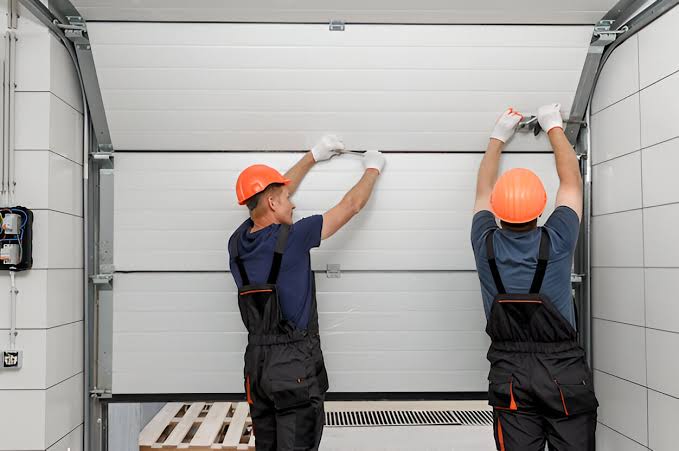
Investing in professional installation is the most effective way to safeguard your equipment’s lifespan. Most leading manufacturers mandate that certified technicians perform the setup to maintain warranty validity. This ensures that any future component failures are covered, preventing unexpected out-of-pocket expenses. Beyond paperwork, expert precision mitigates the structural stress that causes premature aging, keeping your dock leveler operational and reliable for years of high-volume service.
Correct Torque & Welding
Structural failure often stems from improper fastening or weak weld points. Professional installers use industrial-grade equipment to apply precise torque to every bolt, ensuring the leveler remains anchored under immense weight. Expert welding creates seamless, high-strength bonds that can withstand the constant vibration and heavy impact of loaded forklifts. This technical accuracy prevents the hardware loosening and metal fatigue that compromise facility safety.
Reduced Maintenance Costs
A dock leveler that is perfectly aligned from day one experiences significantly less friction and mechanical strain. By eliminating the “bounce” and misalignment found in amateur setups, you prevent the accelerated wear of hydraulic seals and pivot points. This translates to fewer service calls, lower part replacement costs, and a much lower total cost of ownership over the equipment’s life.
Integration with Facility Technology
Modern loading docks are often part of an integrated “dock management system.” Professional installers ensure your leveler works in perfect sync with:
Vehicle Restraints
Professional integration of vehicle restraints is essential for preventing “trailer creep” and accidental pull-aways. Installers ensure these systems are perfectly synced with your dock leveler, physically locking trailers into place during the loading process. This specialized installation creates a fail-safe environment, protecting workers from the catastrophic gap that forms when a truck moves prematurely, ensuring total stability throughout the operation.
Dock Seals and Shelters
A precision-installed dock seal creates a tight environmental barrier between the warehouse and the trailer. Experts align these components to compress perfectly, preventing conditioned air from escaping and keeping rain, dust, and pests outside. This tight seal not only protects sensitive cargo from the elements but also significantly lowers energy costs by maintaining consistent internal temperatures during loading and unloading.
Communication Lights
Clear signaling is the backbone of dock safety. Professional installers set up synchronized “Red/Green” light systems that communicate clearly between the driver and the warehouse team. These lights are calibrated to change only when the leveler and restraints are safely engaged or stowed. This automated visual communication eliminates dangerous guesswork, ensuring everyone knows exactly when it is safe to enter or depart.
Regulatory Compliance
Professional installers stay updated on OSHA (Occupational Safety and Health Administration) standards and local building codes. Ensuring your dock meets these regulations protects your business from heavy fines and legal liabilities in the event of an accident.
Final Thoughts
Choosing professional dock leveler installation is a strategic investment in your facility’s future. Beyond simple setup, expert installation ensures peak operational safety, protects expensive machinery from unnecessary wear, and maintains vital warranty compliance. By prioritizing precision alignment and integrated safety systems, you eliminate costly bottlenecks and protect your workforce. Ensure your warehouse remains a high-performance environment by trusting experts to handle the critical gateway of your supply chain.