Choosing the right dock leveler is more than a facility upgrade; it is a critical decision for operational safety and throughput. With various mechanical, hydraulic, and air-powered options on the market, the “best” choice depends entirely on your daily volume, weight requirements, and maintenance budget.
This blog breaks down the primary types of dock levelers to help you determine which system fits your specific loading dock environment.
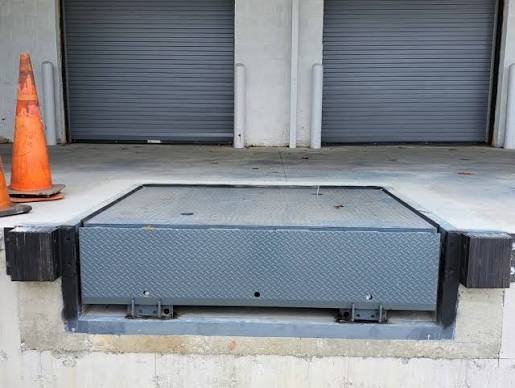
Mechanical Dock Levelers
Mechanical levelers represent the foundation of traditional warehouse logistics. These systems rely on a series of heavy-duty springs and a manual pull-chain mechanism to deploy the platform. While they lack the automation of modern hydraulic units, their simplified design makes them a staple in environments where electrical power is unavailable or unnecessary. They provide a rugged, straightforward solution for bridging the gap between the building and the trailer.
Best For
These units are ideal for warehouses with lower daily traffic and budget-conscious operations. They excel in “dead” docks where running electrical lines is cost-prohibitive. If your facility handles only a few shipments per day and has a dedicated maintenance team for manual adjustments, a mechanical system offers reliable service without complexity.
The Pros
The primary advantage is the low initial purchase price and lack of electrical dependency. Because they don’t require complex wiring or motors, installation is significantly faster and cheaper. They are highly adaptable to older facilities, providing a functional leveling solution without the need for extensive infrastructure upgrades or high-voltage power.
The Cons
Manual operation increases the risk of employee strain or “stump-out” injuries. Additionally, the springs require frequent lubrication and tensioning to remain functional, leading to higher long-term maintenance labor costs.
Hydraulic Dock Levelers
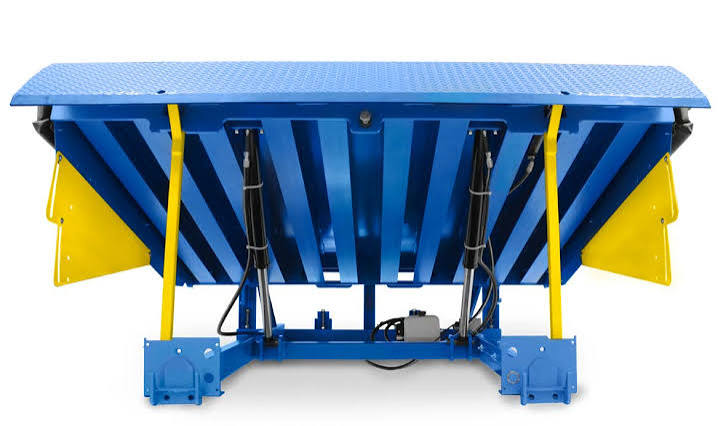
Hydraulic levelers are the workhorses of high-performance logistics centers. Controlled by a simple push-button interface, these systems use powerful fluid pressure to lift the deck and extend the lip smoothly. This automation removes the physical burden from the operator, allowing for faster transition times and a much safer environment. They are designed to withstand the punishing impact of heavy forklifts throughout multiple shifts daily.
Best For
This is the top choice for high-volume distribution centers, cold storage facilities, and heavy industrial hubs. If your dock sees constant forklift traffic and requires maximum uptime, the hydraulic system is the industry standard. It is essential for operations that prioritize worker safety and long-term mechanical durability.
The Pros
These systems offer unmatched ease of use and superior safety features, such as automatic “emergency stop” velocity fuses. They handle much heavier weight capacities than other models and operate with extreme precision. The lack of manual springs means fewer components to adjust, resulting in significantly lower maintenance requirements over time.
The Cons
The initial upfront investment is the highest among all leveler types. They also require a consistent electrical power source and professional installation to ensure the hydraulic lines and motors are properly integrated into the facility.
Air-Powered Dock Levelers
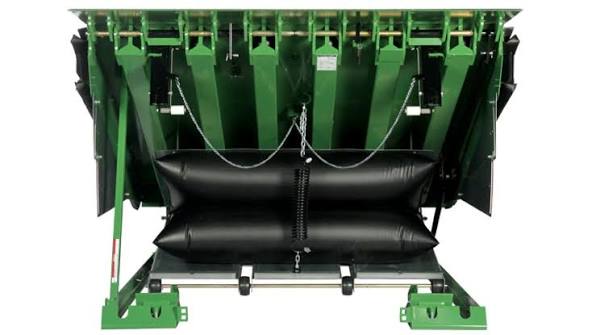
Air-powered levelers utilize a high-volume, low-pressure air bag system to raise and lower the platform. This design bridges the gap between mechanical and hydraulic options, offering the convenience of push-button operation without the complexities of hydraulic fluids. By using an inflatable “bellows” system, these levelers provide a clean, ergonomic solution that is particularly effective in environments where chemical or oil leaks must be avoided.
Best For
These are perfect for food and beverage warehouses or pharmaceutical facilities where hygiene is a priority. They are also excellent for companies looking to upgrade from manual units to push-button automation without the high price tag of full hydraulic systems. They thrive in clean, well-maintained pit environments.
The Pros
The air bag design is incredibly simple, with very few moving parts to wear out. It eliminates the risk of hydraulic fluid leaks, making it environmentally friendly and easy to clean. You get the ergonomic benefits of automated lifting at a more accessible price point than most high-end hydraulic models.
The Cons
The air bag can be sensitive to extreme temperature fluctuations or sharp debris left in the pit. If the bag is punctured, the leveler becomes inoperable until a replacement is installed.
Edge-of-Dock (EOD) Levelers
Edge-of-Dock levelers are a compact, surface-mounted alternative to traditional pit-style levelers. Rather than requiring a deep concrete recessed area, these units are bolted directly to the face of the dock. They are designed for applications where a standard pit cannot be constructed or where the budget is extremely tight. While they have a smaller range of motion, they are highly effective for specific standardized tasks.
Best For
EODs are best for facilities with limited floor space or those that only service trailers of a consistent, standard height. They are ideal for “light-duty” applications where the height difference between the dock and the truck is minimal, typically within a very narrow five-inch range of motion.
The Pros
The most significant benefit is the ease of installation and the low total cost of ownership. Since no concrete pit is required, they can be retrofitted to almost any existing dock wall quickly. They provide a much safer and more efficient bridge than using loose, manual dock plates.
The Cons
They have a very limited operating range and lower weight capacity compared to pit-style levelers. They are not suitable for facilities that service a wide variety of truck types or heights.
Key Factors to Consider Before You Buy
To make the final call, evaluate your facility based on these three pillars:
Load Capacity and Frequency
Determining the right leveler starts with a “Gross Loaded Weight” calculation. This includes the forklift, the operator, and the heaviest possible pallet. For high-frequency hubs running multiple shifts, hydraulic systems are essential. They withstand constant impact without the metal fatigue seen in mechanical springs. Choosing a capacity higher than your average load ensures longevity and prevents costly structural deck failure.
Environmental Control
In climate-controlled facilities or cold storage, energy efficiency is paramount. Vertical dock levelers are the superior choice here, as they allow the overhead door to close directly on the pit floor. This creates a tight thermal seal, preventing expensive refrigerated air from escaping. Proper environmental control also keeps pests and debris out, maintaining the high hygiene standards required for sensitive inventory.
Maintenance Resources
The total cost of ownership depends heavily on your available maintenance team. Mechanical levelers require frequent, hands-on tensioning and lubrication to remain safe. If you lack on-site technicians, investing in “push-button” hydraulic or air-powered units is wiser. These systems have fewer manual touchpoints, reducing the need for monthly adjustments and lowering the risk of unexpected downtime during peak operational hours.
Final Thoughts
Choosing the right dock leveler is a balance between operational volume, safety, and long-term budget. While mechanical units suit low-traffic docks, hydraulic and air-powered systems offer the durability and ergonomics required for high-demand facilities. Evaluate your specific load requirements and maintenance capacity to choose a solution that ensures peak efficiency.