In the high-stakes world of logistics and warehousing, the loading dock is the heartbeat of your operation. When a leveler fails or a vehicle restraint jams, the rhythmic flow of goods grinds to a halt. This isn’t just an inconvenience; it is a direct hit to your bottom line.
Understanding the link between proactive care and operational continuity is essential for any facility manager looking to protect their margins. Here is how regular dock equipment maintenance serves as your best defense against expensive disruptions.
The Hidden Costs of Loading Dock Downtime
When a dock position goes out of service, the financial impact ripples through the entire supply chain. It isn’t just the repair bill you have to worry about; it’s the compounding secondary costs:
Idling Labor
When dock equipment fails, the productivity of your entire team stalls. Warehouse staff and forklift operators are left waiting, leading to significant wage losses without any outbound progress. These wasted man-hours quickly accumulate, inflating your operational overhead. Beyond the financial drain, persistent equipment downtime frustrates employees and disrupts workflow momentum, making it difficult to hit daily distribution targets consistently.
Carrier Surcharges
In the logistics industry, time is literally money. If a malfunctioning leveler prevents a trailer from docking or departing on time, carriers will often apply steep detention fees. These penalties are designed to compensate drivers for lost time but act as a direct hit to your profit margins. Reliable equipment ensures fast turnarounds, helping you avoid these unnecessary and expensive surcharges.
Safety Risks
Neglected dock equipment is a primary catalyst for workplace accidents. Worn components can lead to sudden mechanical failures, such as “trailer creep” or unexpected leveler collapses, puting operators in immediate danger. Beyond the human cost, these incidents result in expensive workers’ compensation claims, potential OSHA fines, and legal liabilities. Prioritizing maintenance is the most effective way to ensure a secure environment.
Emergency Repair Premiums
Waiting for a total breakdown before calling for help is a costly gamble. Emergency service calls often command premium hourly rates, especially if they occur after hours or during peak seasons. Furthermore, the rush to fix a critical failure can lead to expedited shipping costs for replacement parts. Scheduled maintenance avoids these “panic prices,” allowing for more predictable and controlled budgeting.
How Maintenance Keeps the Gears Turning?
A proactive maintenance strategy acts as the backbone of a high-performance warehouse. By implementing routine inspections, you shift from a reactive “fix-it-when-it-breaks” mindset to a controlled operational flow. This consistency ensures that every mechanical component—from hydraulic pumps to structural hinges—functions at peak efficiency. Ultimately, regular upkeep minimizes friction in your supply chain, allowing your facility to handle high volumes without the looming threat of sudden, catastrophic equipment failure.
Identification of “Invisible” Wear and Tear
Major breakdowns rarely happen without warning; they usually start as minor, invisible issues. Routine professional inspections reveal hairline structural cracks, thinning hydraulic hoses, or weakened springs that the untrained eye might miss. Catching these subtle red flags early prevents them from escalating into total system collapses. This vigilance ensures that your equipment remains reliable, protecting your facility from the chaos of unexpected mid-shift failures.
Lubrication and Calibration
Heavy-duty dock equipment relies on precision and smooth movement to handle massive loads. Regular lubrication of pivot points and hinges reduces heat and friction, preventing the metal-on-metal grinding that leads to permanent damage. Simultaneously, calibrating sensors and control systems ensures that safety interlocks and automated features respond accurately. This technical fine-tuning keeps your machinery operating safely and quietly, reducing the physical strain on every moving part.
Extending Asset Lifespan
Loading dock equipment is a significant capital investment that should last for decades. Consistent maintenance prevents the premature degradation caused by rust, debris buildup, and mechanical strain. By addressing small repairs immediately, you avoid the heavy wear that forces early equipment replacement. A well-maintained dock leveler or vehicle restraint can remain in service years longer than neglected units, significantly improving your long-term return on investment.
Key Components of a Maintenance Checklist
To ensure your facility remains operational, your maintenance schedule should prioritize these high-traffic components:
| Component | Maintenance Action | Frequency |
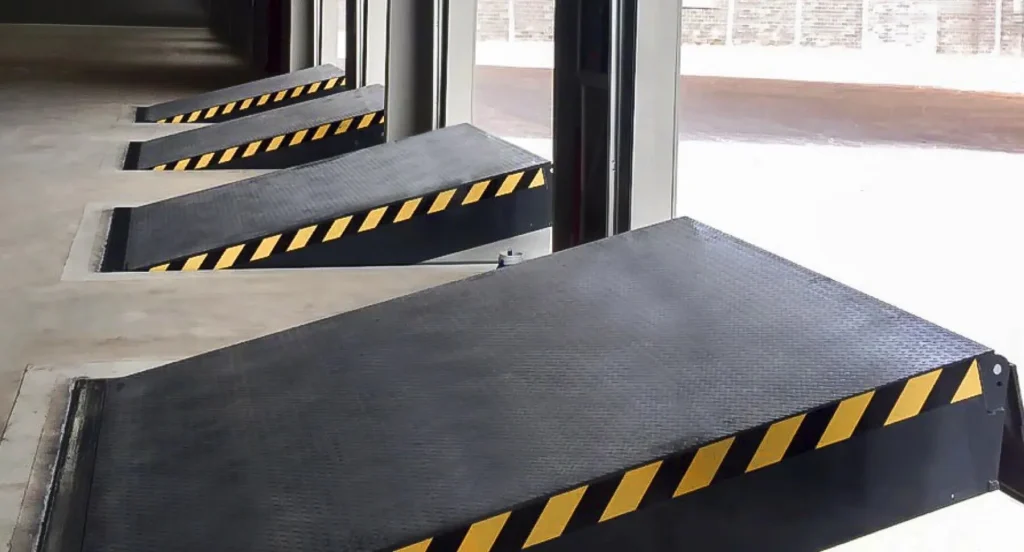
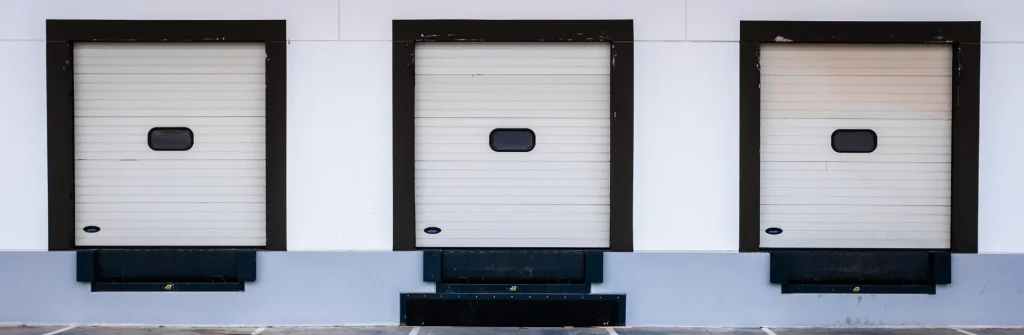
| Dock Levelers | Inspect lip hinges, clean pit debris, check hydraulic fluid levels. | Quarterly |
| Vehicle Restraints | Test locking engagement, lubricate moving tracks, check signal lights. | Bi-Annually |
| Dock Seals/Shelters | Inspect fabric for tears, ensure tight compression against trailers. | Annually |
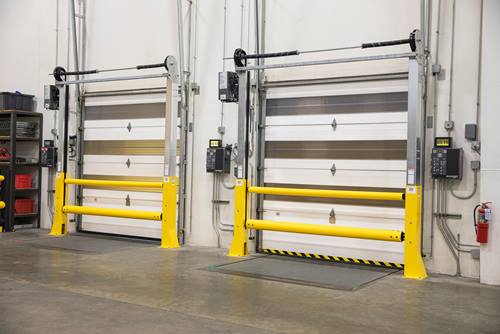
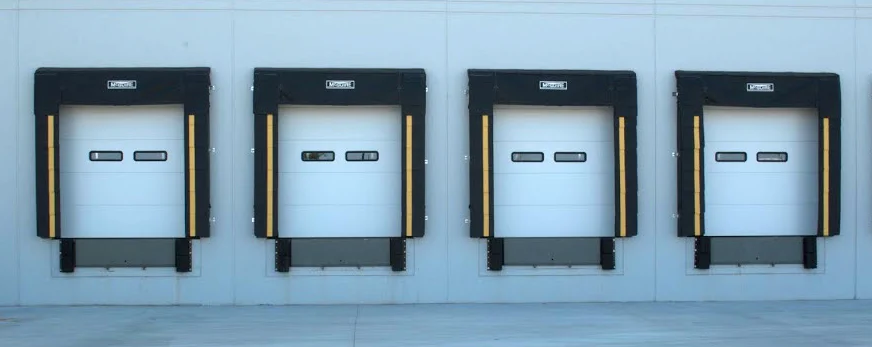
| Overhead Doors | Check track alignment, inspect cables for fraying, test auto-reverse. | Quarterly |
Conclusion
Efficiency at the loading dock is the foundation of a profitable warehouse operation. While maintenance requires an initial investment of time and resources, the cost of neglect is far higher. By prioritizing regular inspections and proactive repairs, you safeguard your staff, eliminate unnecessary shipping penalties, and extend the life of your equipment. Don’t wait for a breakdown to take action; invest in consistency today to ensure long-term operational success.