In the high-speed world of logistics, the loading dock is the heartbeat of your facility. It is the critical bridge between your stationary warehouse and the moving world of transportation. However, many facility managers overlook the specific dock equipment necessary to keep that bridge from collapsing—literally and figuratively.
If you are looking to improve safety, speed up turnaround times, and protect your bottom line, understanding the “what” and “why” of dock equipment is non-negotiable.
What Exactly Is Dock Equipment?
Dock equipment refers to the specialized machinery, structural components, and safety tools installed at a loading bay to facilitate the movement of goods. These tools are designed to bridge the gap (height and distance) between a transport vehicle and the warehouse floor.
The core components of a modern dock setup include:
Dock Levelers
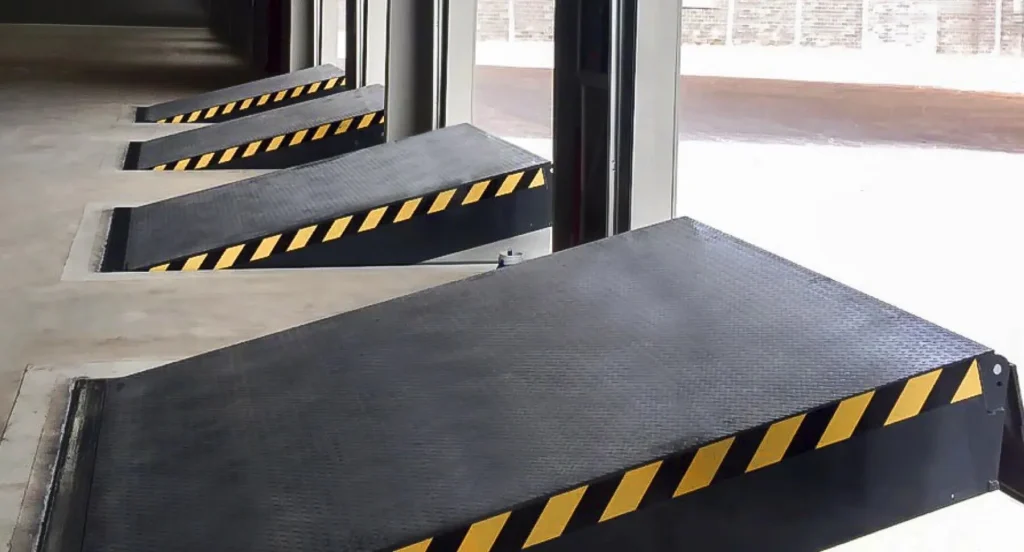
Dock levelers act as the indispensable bridge between your warehouse floor and various trailer heights. By correcting vertical gaps and horizontal shifts, they create a seamless transition for forklifts and pallet jacks. Whether manual, hydraulic, or air-powered, a high-quality leveler eliminates “dock shock,” reducing equipment wear and preventing cargo damage while significantly accelerating the loading and unloading process.
Dock Seals & Shelters
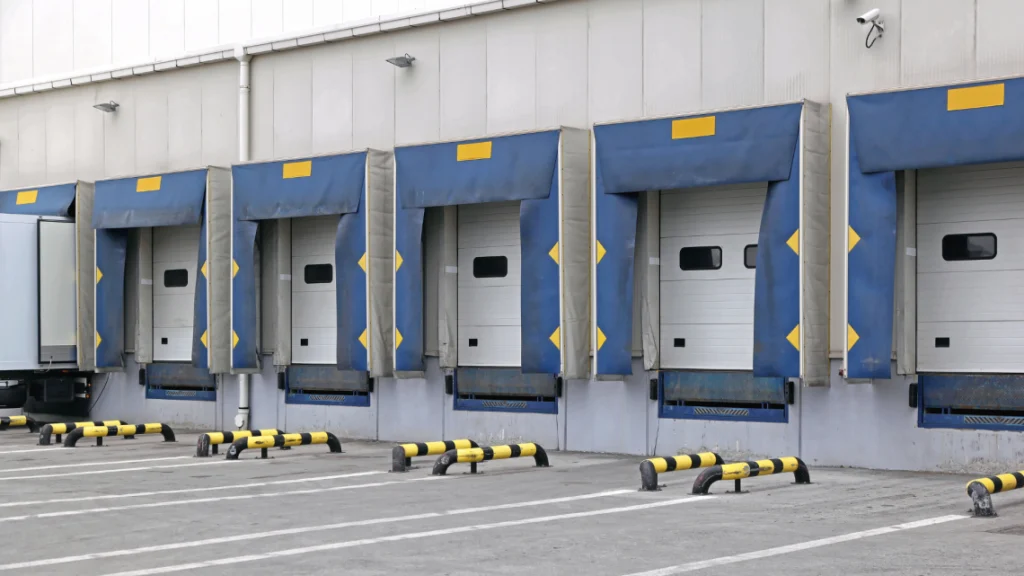
Dock seals and shelters provide a critical environmental barrier at your loading bay. By creating a tight compression against the trailer, they prevent expensive conditioned air from escaping and block external contaminants like rain, dust, and pests. This protection is essential for maintaining strict climate control, improving employee comfort, and slashing energy costs in high-traffic industrial facilities.
Vehicle Restraints (Dock Locks)
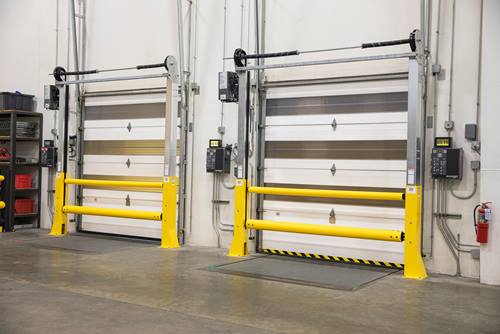
Vehicle restraints, often called dock locks, are the ultimate defense against accidental trailer separation. By mechanically or hydraulically securing the trailer’s rear impact guard to the building, they prevent “trailer creep” and premature pull-aways. This automated safety layer protects forklift operators from catastrophic falls and ensures the vehicle remains immobilized until the loading process is fully and safely completed.
Dock Bumpers
Dock bumpers serve as the primary shock absorbers for your facility’s foundation. These heavy-duty rubber components endure the massive kinetic force of backing trailers, preventing structural concrete damage and protecting the building’s exterior. Investing in durable, high-impact bumpers is a cost-effective way to minimize long-term maintenance expenses and safeguard the integrity of your loading docks against daily wear and tear.
Loading Lights & Fans
Loading lights and fans are essential for optimizing the internal environment of a trailer. High-intensity LED dock lights eliminate dangerous shadows and “dark zones,” ensuring operators can see clearly to the nose of the container. Meanwhile, heavy-duty fans circulate stagnant air, reducing heat exhaustion and improving air quality, which directly boosts worker productivity and safety during demanding shifts.
Why Your Facility Needs Professional Dock Equipment?
Professional dock equipment is the backbone of a high-performing supply chain. It transforms a high-risk transition zone into a secure, streamlined gateway for your goods. By investing in engineered solutions rather than makeshift workarounds, you mitigate the risk of expensive workplace accidents, reduce equipment downtime, and lower long-term maintenance costs. Ultimately, modern dock infrastructure ensures that your facility remains compliant with safety regulations while maximizing overall logistical throughput and profitability.
Prioritizing Personnel Safety
The loading dock is a high-traffic hazard zone where heavy machinery and pedestrians intersect. Professional equipment like vehicle restraints and non-slip levelers significantly reduces the risk of “trailer creep” and forklift falls. By implementing these safety-first solutions, you protect your most valuable asset—your workforce—preventing life-altering injuries and reducing the legal and financial liabilities associated with warehouse accidents.
Maximizing Operational Speed
In the logistics industry, every minute saved at the bay directly impacts your bottom line. Automated dock levelers and integrated control systems eliminate manual handling delays, allowing for faster trailer turnarounds and higher volume processing. By streamlining the connection between the warehouse and the truck, you remove bottlenecks, ensuring that your shipments move out and revenue comes in faster.
Energy Efficiency & Climate Control
An unsealed loading dock is essentially a massive open hole in your building’s thermal envelope. Professional seals and shelters create a vacuum-tight gasket around trailers, preventing expensive treated air from escaping. This is vital for facilities handling temperature-sensitive products. By maintaining a consistent internal climate, you reduce the strain on your HVAC systems and dramatically lower monthly utility bills.
Protecting Your Assets
Heavy-duty trailers backing into a building exert massive force that can eventually crumble concrete foundations and damage expensive bay doors. High-impact dock bumpers and synchronized communication lights act as a shield for your physical infrastructure. By absorbing vibration and preventing accidental collisions, you extend the lifespan of your facility and your fleet, avoiding the high costs of structural repairs.
Final Thoughts
Investing in professional dock equipment is more than a facility upgrade; it is a strategic commitment to safety, efficiency, and long-term profitability. By bridging the gap between your warehouse and transportation fleet with high-quality levelers, seals, and restraints, you eliminate bottlenecks and protect your workforce. Don’t let your loading bay be a liability. Modernize your dock infrastructure today to ensure a seamless, secure, and cost-effective logistics operation.